
News
KPK uncovers extortion funding immigration deputy’s lifestyle
Tenggara Strategics June 23, 2026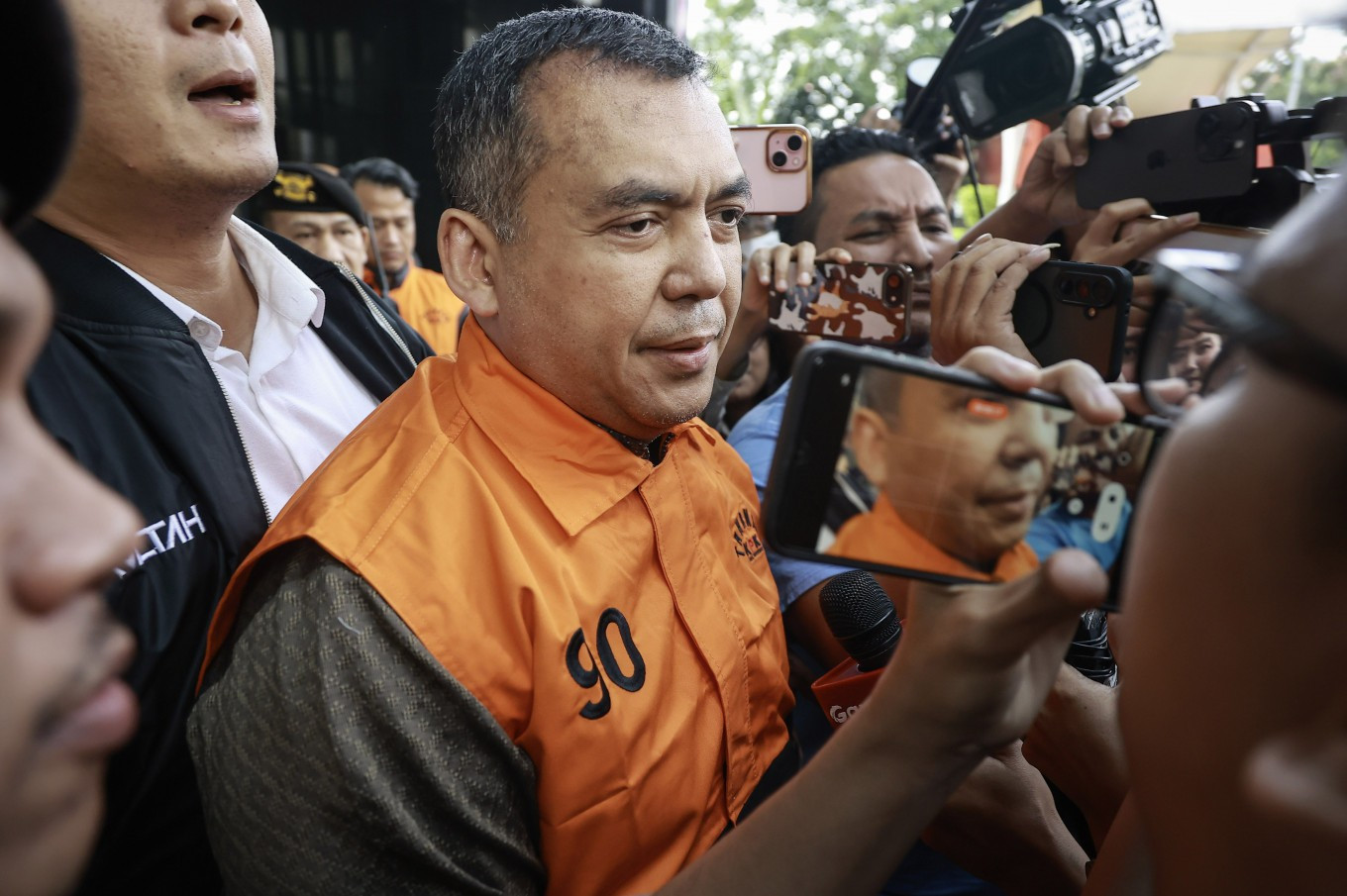 Deputy Immigration and Corrections Minister Silmy Karim (center) walks wearing a detainee vest after questioning at the Corruption Eradication Commission (KPK) headquarters in Jakarta on June 4, 2026. (Antara/Dhemas Reviyanto)
Media across the nation have had a field day following the recent arrest of Silmy Karim, 51, the former deputy minister of immigration and corrections, quickly linking his confiscated luxury assets to corruption charges related to an alleged massive scheme extorting expatriates over their stay permits. The scandal has landed a heavy blow on the administration, especially given President Prabowo Subianto ’s vow to wage a relentless war against corruptors who undermine his government.
On June 5, a team from the Corruption Eradication Commission (KPK) raided Silmy’s private residence on Jl. Brawijaya in an elite neighborhood in Kebayoran Baru, South Jakarta, seizing an array of high-value assets. The haul included two Porsches, 10 luxury motorcycles, including a Harley-Davidson and a Ducati, premium bicycles, jewelry and a substantial amount of cash in rupiah and various foreign currencies. The confiscated goods illustrate the type of lavish lifestyle that the media portrays as befitting a jet-setter rather than a public servant.
Silmy turned himself in to authorities on June 3 at the KPK headquarters in Setiabudi, South Jakarta, accompanied by four bodyguards who clashed with a crowd of waiting journalists as they cleared a path. Two days prior to his surrender, President Prabowo had removed Silmy from the cabinet, while eight of his staffers had been detained on June 2.
The disgraced official, who holds economics degrees from Trisakti University and the University of Indonesia and also attended several foreign postgraduate institutions, started his public service career in 2007 when he joined a task force overseeing the divestment of military-owned businesses. Afterward, he was retained as a Defense Ministry adviser and later secured leadership roles at several leading state-owned enterprises, including shipbuilder PT PAL, defense manufacturer PT Pindad and steelmaker PT Krakatau Steel.
He was appointed as immigration director general in 2023 by then-president Joko “Jokowi” Widodo. President Prabowo later promoted him to deputy minister at the newly established Immigration and Corrections Ministry.
The crackdown extends far beyond Silmy. The KPK also arrested seven officials with the Immigration Directorate General and nine private individuals over their suspected roles in a syndicate targeting foreigners looking to live and work in Indonesia.
The KPK alleges the scheme involved widespread extortion and gratification related to the processing of the Limited Stay Permit (KITAS) and the Permanent Stay Permit (KITAP) for foreign nationals. According to investigators, the syndicate illicitly collected at least Rp 145.5 billion (US$8.1 million) between 2022 and 2026 and allegedly distributed the funds among the group every Friday, with Silmy pocketing a weekly payout of Rp 100 million.
While the sum may seem modest compared to past mega scandals totaling trillions of rupiah and its direct economic impact less immediately visible, the case significantly undermines Indonesia’s reputation as a foreign investment hub. For many expatriates and their employers, monies lost to extortion or gratification have long been absorbed quietly as a cost of doing business.
However, in an increasingly competitive global environment for foreign direct investment, such deep-rooted corruption leaves a damaging first impression on visitors and incoming businesses. The World Bank’s 2021 Doing Business global survey, the final edition before it was discontinued, highlighted the structural hurdles in Indonesia, ranking it 73rd out of 190 countries.
For seasoned observers, Silmy’s downfall was only a matter of time. In April, a court sentenced Suhartono, the Manpower Ministry’s former director general of foreign workers’ placement, to four years in prison for extorting expatriates over their work permits. Eight of his subordinates also received prison terms, ranging from four to 7.5 years.
Now that the immigration ministry is under the microscope, the government faces renewed pressure to prove that its antigraft rhetoric is more than just talk.
What we've heard
Two sources familiar with the case said the former immigration director general was suspected of having been involved in the practice since 2023, when he was appointed by then-president Jokowi to lead the Immigration Directorate General.