
News
The frontline trap: Indonesians lured into Russia’s war
Tenggara Strategics November 24, 2026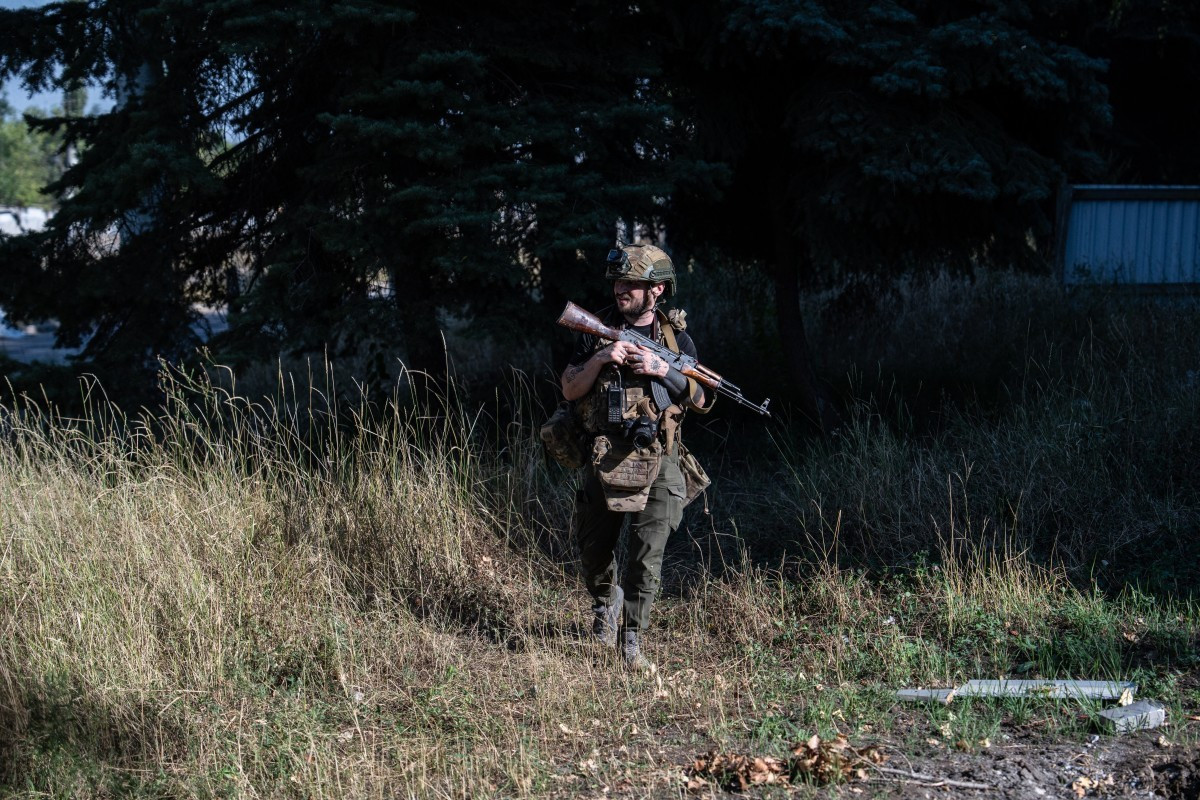 This handout picture taken on Aug. 22, 2026 and released on Aug. 24 by the press service of Ukraine's 93rd Kholodnyi Yar Separate Mechanized Brigade shows a serviceman of the brigade walking in Druzhkivka, Donetsk region, amid the Russian invasion of Ukraine. (AFP/Ukraine's 93rd Kholodnyi Yar Separate Mechanized Brigade/Iryna Rybakova)
A cross Indonesia, a transnational trafficking pipeline has been turning economically desperate job seekers into front-line infantry for Moscow's war in Ukraine. What began as scattered alerts from families who lost contact with relatives traveling on tourist visas has become a multi-agency police crackdown, parliamentary scrutiny and a delicate diplomatic test for Jakarta.
In late October, the Foreign Ministry sent Moscow a diplomatic note asking Russia to halt the enlistment of Indonesian citizens in its armed forces and affiliated mercenary formations. Jakarta also asked that Indonesia be added to Russia's military "exclusion list," a stop-list instructing recruitment centers to reject applicants from designated countries, and urged Moscow to review contracts signed by deceived Indonesians so they can be discharged and repatriated. So far, the Russian Embassy in Jakarta and the Russian Foreign Ministry have not responded.
Police have uncovered a syndicate operating under the guise of overseas job placement. Police investigators have named 13 suspects, 12 detained and one wanted, under the human trafficking law (No. 21/2007) and the migrant worker protection law (No. 18/2017). The suspects include 10 Indonesian brokers, two Russians and a Ukrainian based in Central Java, where investigators found a house in Pemalang used as a makeshift semi-military training site. Authorities have also intercepted at least 11 would-be recruits at airports before they could board flights to Russia.
Most targets were working-class Indonesians with no military background: casual laborers, private-sector employees and former online gambling workers returning from Cambodia. Syndicates advertised construction, logistics and border security jobs on TikTok, Facebook, Instagram and job apps, promising signing bonuses of up to US$35,000 and monthly salaries near US$3,000.
On arrival in Russia via hubs such as Dubai, recruits had their phones and documents restricted. They were coerced into Russian-language contracts binding them to front-line combat until the war ends or they die, with bounties offered for shooting Ukrainian soldiers.
Police investigations have documented 58 targeted victims, including several former military and police personnel; 15 to 23 had already left for Russia. Police have confirmed at least one or two deaths from family testimony, and severe injuries, including a recruit who lost a leg to a landmine and was ordered back to the front. Ukraine has also announced the capture of the first Indonesian prisoner of war, identified only as “AS” from East Java, on the Zaporizhzhia front.
Yet a dossier given to the Indonesian embassy in Kyiv by Ukraine's "I Want to Live" surrender project identifies 292 Indonesians in Russian units, 283 of them reportedly recruited between January and September 2026. The gap suggests police’s count captures only networks reported by families or intercepted at borders; many more may have slipped through.
Russia's Defense Ministry operates with considerable autonomy from its Foreign Ministry.
India secured the discharge of more than 130 citizens only after Prime Minister Narendra Modi raised the issue with President Vladimir Putin, backed by heavy trade and defense leverage. Nepal, with less weight, saw its notes ignored and banned work permits for Russia, while Sri Lanka needed a defense delegation in Moscow to win partial pledges. Routine notes through mid-level channels are unlikely to succeed unless escalated to the presidential level.
The silence is striking given warming ties under President Prabowo Subianto, who has met with Vladimir Putin at least four to five times since taking office in 2024 and calls Russia a "great friend." If Moscow has placed other friendly states on its exclusion list, why not Indonesia? Whether the cause is bureaucratic friction or reluctance to curb a manpower pipeline, the silence tests the practical value of Prabowo's personal diplomacy.
Under Article 23(d) of the 2006 Citizenship Law, Indonesians who join a foreign military without presidential permission can lose their citizenship. Article 199 of the 2023 Criminal Code, in force since January 2026, adds up to six years in prison. Jakarta has applied this strictly to volunteers: the Law Ministry stripped former Navy Marine Satria Arta Kumbara of his citizenship in 2025 after videos showed him fighting for Russia, and did the same to ex-Brimob officer Muhammad Rio in January 2026 after he joined Wagner.
Deceived workers, however, are treated as trafficking victims, preserving their citizenship so the Foreign Ministry can pursue consular protection and repatriation.
At home, dismantling syndicates is only a stopgap without tighter immigration screening and viable domestic jobs. Abroad, the crisis will test whether Prabowo's rapport with Putin brings tangible protection for ordinary Indonesians. Until Moscow lists Indonesia on its exclusion list and opens a transparent channel to release deceived recruits, Jakarta's warm Kremlin ties will remain shadowed by citizens trapped on a distant front line.
What we've heard
A parliamentary official revealed that the Foreign Ministry has been instructed to identify additional victims of alleged mercenary recruitment who remain unaccounted for. An ongoing verification process is underway, which includes an investigation into potential human trafficking. According to police data, 58 Indonesian nationals are suspected of having been recruited as mercenaries for Russia.