News
Presidential Palace taps new media to expand outreach
Tenggara Strategics May 22, 2026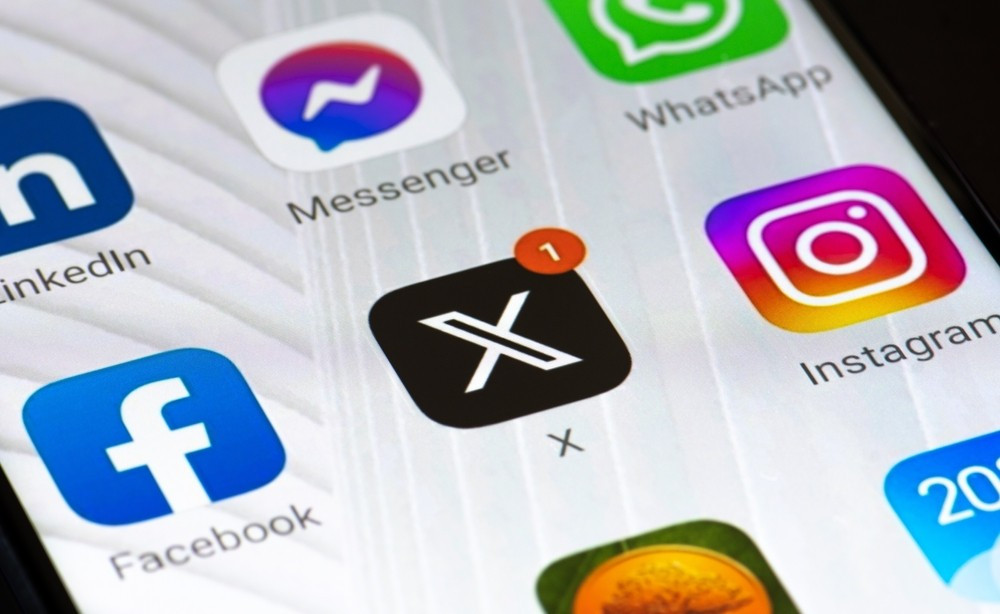 An illustration of social media app icons on a smartphone (Shutterstock/MIchele Ursi)
The Presidential Palace has partnered with the Indonesia New Media Forum (INMF) in a move it says could significantly expand its social media reach, potentially adding up to 100 million views per day.
Muhammad Qodari, head of the Government Communications Agency (Bakom), announced the initiative following a May 7 meeting with the group. He described INMF members as “homeless media,” referring to small, social media–based outlets that operate outside conventional institutional structures.
Typically run by one to five people, these outlets rely on platforms such as Instagram, TikTok and YouTube rather than traditional websites to distribute content. Despite their limited organizational scale, many have built large followings, underscoring their growing presence in Indonesia’s digital media landscape.
The partnership appears to align with Qodari’s stated approach to government communication. Upon his appointment in late April, he said the administration would promote its programs “intensively, proactively and aggressively.”
Formed in July 2025, INMF provides a collaborative platform for social media-based publishers adapting to shifts in how audiences consume news and information. The latest announcement signals official recognition of the group’s role in that evolving environment.
The initiative also comes as President Prabowo Subianto adjusts his communications strategy. In April, he reinstated political consultant Hasan Nasbi as special adviser on communication. Hasan previously worked on the presidential campaigns of Joko “Jokowi” Widodo in 2014 and 2019 and Prabowo in 2024.
Hasan had resigned as head of the presidential communication office in April 2025, reportedly due to internal differences. His return suggests continuity in shaping the administration’s public messaging.
He has said the INMF partnership does not constitute a formal working relationship between the government and its members. Rather, he described it as an effort to adapt official communication to current media consumption patterns, particularly on platforms that operate beyond traditional corporate frameworks.
More than a year and a half after Prabowo’s inauguration in October 2024, survey data show his approval rating remains above 70 percent, indicating sustained public support.
The President however continues to face criticisms, mostly online, although that digital space is also shrinking with reports of harassments against critics, mostly scholars and activists and a handful of critical media.
At the same time, the development highlights broader changes in the media ecosystem. Traditional print and broadcast outlets now share audience attention with a wide range of digital actors, including independent content creators, citizen journalists and online influencers.
Following Qodari’s remarks, several media organizations clarified their positions regarding INMF.
Narasi, founded by journalist Najwa Shihab, said it is not part of the forum and emphasized that it is registered with the Press Council and adheres to established journalistic standards.
Indozone, which targets millennial and Gen Z audiences, also stated that it remains independent and has no formal ties to the government. It added that its editorial staff have undergone professional competency certification. Qodari said the partnership would help expand the government’s public outreach. However, details regarding specific arrangements with INMF members were not elaborated, other than that participating outlets would have access to government information similar to conventional media and could receive support to improve reporting quality.
Many social media-based outlets do not have formal corporate structures, meaning they do not meet Press Council registration requirements and are not covered by protections under the 1999 Press Law. Nevertheless, many maintain verified social media accounts that signal authenticity to their audiences.
What we've heard
The Bakom has claimed partnerships with dozens of “homeless media” outlets: platforms that operate without physical newsrooms or websites and rely solely on social media to distribute content.