News
Lemigas: Streamlining energy imports or shifting power?
Tenggara Strategics November 11, 2026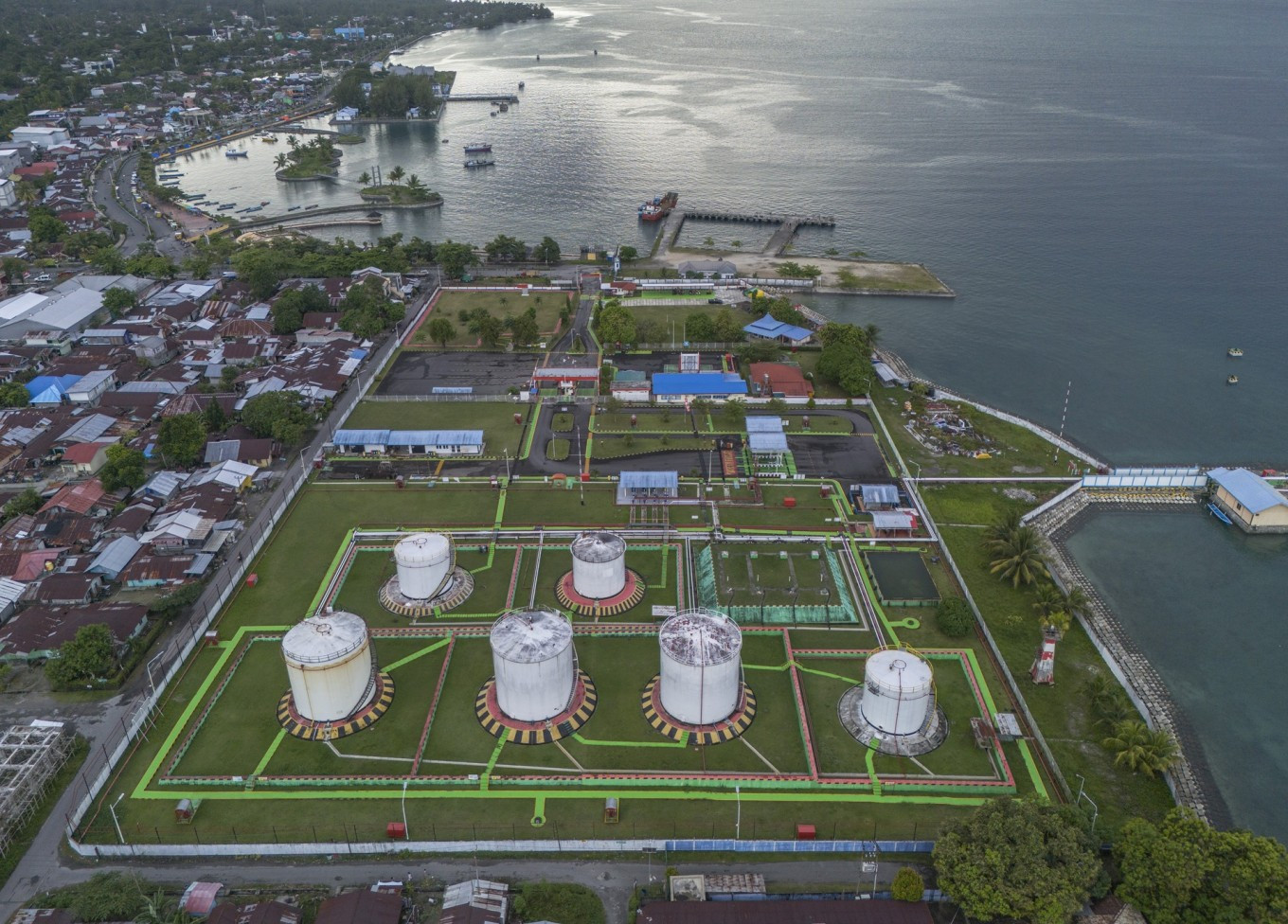 A fuel terminal owned by state-owned oil and gas company PT Pertamina functions normally on Dec. 8, 2025, in Masohi, Central Maluku regency, Maluku. The government will build more fuel storage to extend national fuel stock from 21 days to three months. (Antara/Andri Saputra)
The government plans to shift energy import procurement from Pertamina to the Oil and Gas Testing Center, or Lemigas, a public service agency (BLU) under the Energy and Mineral Resources Ministry. The move could reshape control over the country's lucrative energy trade. The government argues that direct negotiations with supplier countries will speed up procurement, eliminate intermediaries and secure supplies, but will the new arrangement bring greater transparency and a shorter supply chain or merely add another industry player?
Coordinating Downstream and Energy Transition Minister Bahlil Lahadalia, who is concurrently the energy minister, has cited Presidential Regulation (Perpres) No. 107/2026 as the basis for the change. Lemigas is to procure crude oil, fuel and liquefied petroleum gas through government-to-government (G2G) or government-to-business (G2B) agreements, then sell the supplies to Pertamina.
Pertamina president director Simon Aloysius Mantiri backs the policy. Bahlil has clarified that private importers will not be required to use Lemigas. Pertamina's infrastructure remains essential for receiving, processing and distributing the imports. Purchasing decisions must therefore match refinery requirements, storage capacity and delivery schedules. Separating authority over contracts from responsibility for delivery makes coordination more important as negotiations become faster.
The same distinction between contractual changes and practical benefits applies to Bahlil's promise to eliminate "shell companies”. Intermediaries that provide financing, logistics or access to suppliers perform a different role from entities that merely add fees or conceal who benefits.
Removing a company from a contract does not eliminate its functions or the costs of replacing them. The real test is whether Lemigas can secure those services on better terms. Disclosing supplier identities, beneficial owners, selection criteria and third-party fees would make that assessment possible.
Financing illustrates why these underlying arrangements matter. Bahlil has said procurement will not draw on the state budget, without identifying an alternative source of funds. Yet these commitments leave payment obligations unexplained.
If Pertamina finances the purchases, it could bear risks from contracts negotiated elsewhere. If commercial partners provide financing, their charges and conditions must be included in procurement costs. Who pays suppliers, approves financing terms and absorbs losses will determine whether cheaper cargoes actually translate into cheaper deliveries.
The timing also deserves scrutiny.
Signed on April 30, Perpres No. 26/2026 enabled Lemigas to undertake imports. Officials initially justified the arrangement as a workaround for Pertamina's bond covenants, which complicated purchases of sanctioned Russian crude.
Its first cargo, around 770,000 barrels, arrived in late June at Lawe-Lawe, East Kalimantan, aboard a sanctioned tanker. Less than six months later, the government introduced Perpres No. 107/2026 making Lemigas the default channel for Pertamina's imports, a trade worth US$32.8 billion last year.
Yet the government has not explained whether the initial purchase delivered savings or reduced sanctions exposure, and the regulation's text was publicly unavailable when the change was announced. An exception is being expanded without a public account of whether it worked.
Will Lemigas remove a layer from the supply chain or become a new one? The center has a background in research and testing, and industry practitioner Hadi Ismoyo has questioned its trading experience.
It will need commercial partners, yet Bahlil has neither identified the companies selected to develop storage facilities nor explained how they were chosen. Perpres No. 26/2026's provision on pricing flexibility during urgent procurement makes contract scrutiny particularly important.
Removing existing traders offers little assurance of savings if replacements enter through equally opaque arrangements. The core problems remain transparency and accountability.
The government should publish the Perpres, identify partners and selection criteria, benchmark landed costs and open transactions to audit. Otherwise, the reform risks changing intermediaries while adding another contractual layer.
The government has made a case for stronger bargaining power but has yet to establish why centralizing procurement in Lemigas is the best way to exercise this.
The ministerial agency’s expanded role must justify itself through lower total costs, reliable deliveries and decisions that withstand public scrutiny. Until those benefits are demonstrated, the clearest change is who controls the contracts.
Greater state control can strengthen energy security, but only if the power to choose suppliers comes with a clear obligation to account for the results.
Related Articles